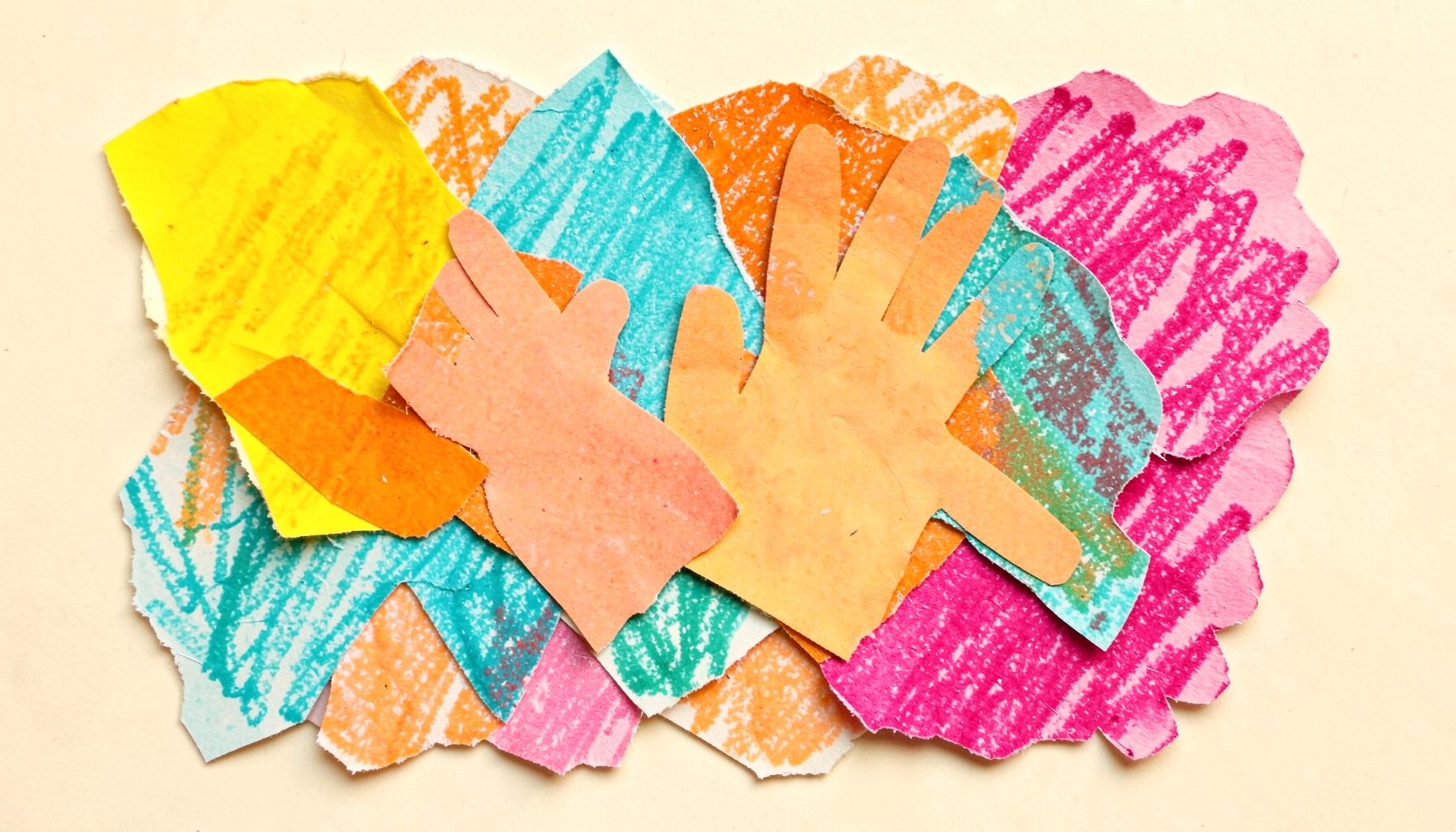
Introducing young children to art does more than fill an afternoon with colour and fun. A growing body of research points to the lasting developmental gains that a well-designed art curriculum can deliver in the early years.
What the Research Shows
In their article Appreciation of the Art Curriculum for…, Aylward, Hartley and Field examined how structured art experiences shape early childhood development. Their work highlights that children who regularly engage with creative materials tend to show stronger fine-motor coordination, more flexible problem-solving, and greater willingness to express ideas verbally.
"Appreciation of the art curriculum" — Aylward, Hartley and Field
Why Art Matters in the Early Years
Art invites children to make choices, experiment with materials, and reflect on what they see and feel. These are the same skills that underpin later success in reading, mathematics, and social interaction. When a child mixes paint colours or shapes clay, they are learning cause and effect, building patience, and developing the confidence to try something new.
- Fine-motor development: Holding brushes, cutting paper, and manipulating small objects strengthen the hand muscles needed for writing.
- Cognitive growth: Planning a picture or sculpture exercises sequencing, spatial reasoning, and symbolic thinking.
- Emotional expression: Art gives children a safe outlet for feelings they may not yet have words for.
- Language skills: Talking about their creations builds vocabulary and narrative ability.
Bringing Art Into Everyday Learning
Parents and educators don't need a dedicated studio to make art part of a child's routine. Simple activities — drawing with chalk on pavement, collaging with scrap paper, or modelling with homemade dough — can all contribute to the benefits identified by researchers. The key is regular, open-ended creative time where the process matters more than the finished product.
For more ideas on hands-on creative projects, visit our Crafts section.